


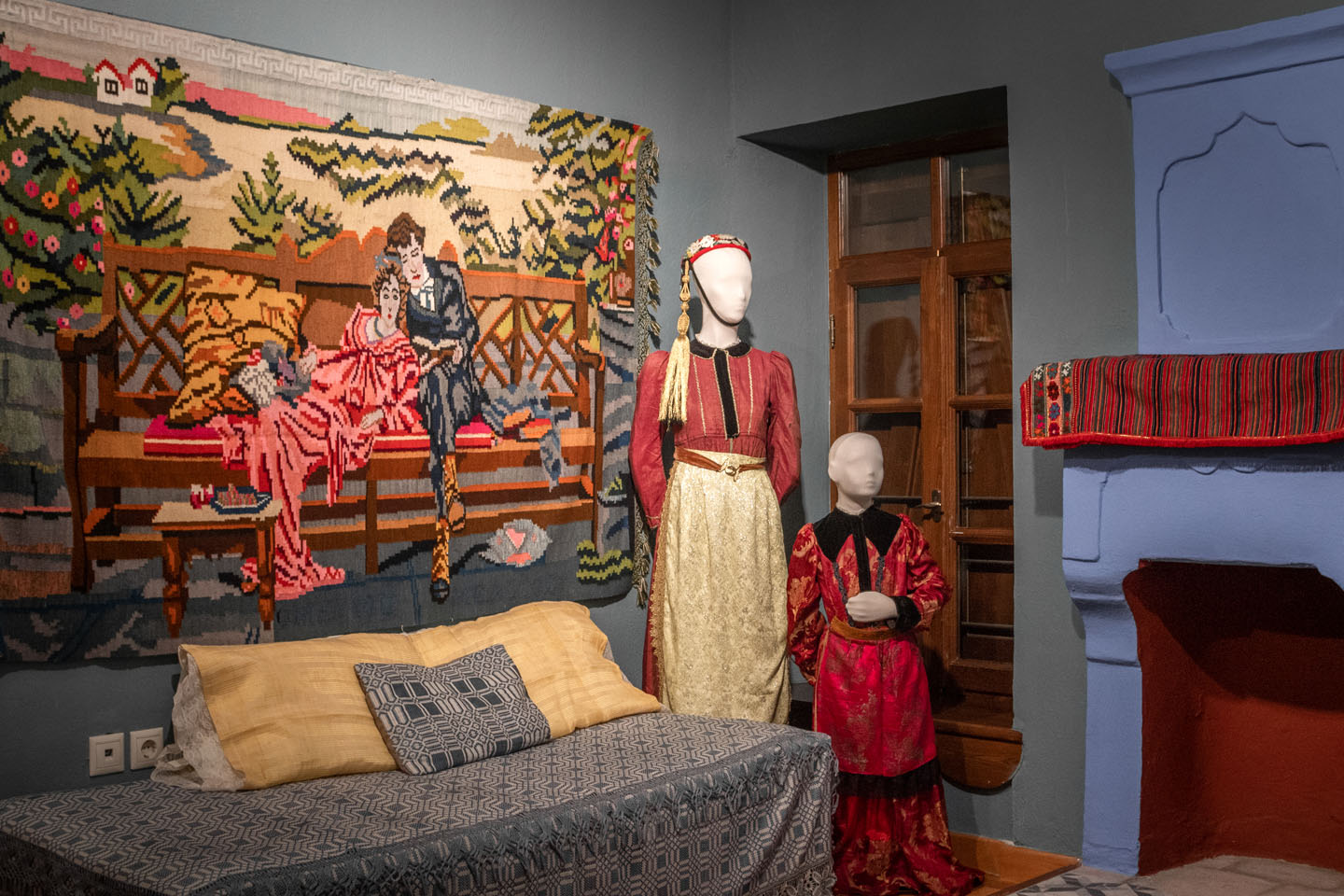
Although Halkidiki is most famous as a summer destination, its cultural rhythm is not limited to July and August. The region has a year-round identity shaped by villages, religious feasts, local associations, museums, community events, traditional products and historical memory. Visitors who look beyond the typical summer image can discover a more complete side of Halkidiki. This is especially important for travellers who value authenticity and want to understand the destination outside the busiest tourist moments. The beaches are only one part of the story. Behind them there are communities, customs, celebrations and places that continue to shape the region throughout the year.
Central Halkidiki is one of the best areas for understanding this broader cultural rhythm. Inland villages, traditional architecture, local gastronomy and community life create a strong sense of continuity between past and present. Arnaia, for example, is often connected with traditional character and cultural interest, offering visitors a different image from the seaside resorts. East Halkidiki also has significant cultural depth, especially because of its relationship with Mount Athos, Ouranoupoli and religious heritage. Sithonia and Kassandra, although strongly connected with summer tourism, also have villages, events and traditions that continue beyond the main season. Each area contributes to the wider cultural identity of Halkidiki.

Traditions That Continue
One of the most important things about local culture is that it does not exist only for visitors. Many traditions in Halkidiki are rooted in community life. Religious celebrations, village festivals, seasonal gatherings and local customs often come from long-standing practices that continue because they matter to the people who live there. This gives them authenticity. Visitors who experience these moments are not watching something artificial; they are observing or participating in traditions that belong to the place. This creates a different kind of respect and interest. It also helps travellers understand that Halkidiki is not only a tourism product, but a region with living communities.
Cultural rhythm is also visible in the way local products, food and crafts remain part of everyday identity. Olive oil, honey, wine, traditional dishes, local music and village celebrations all connect people with land and memory. These elements continue even when the beaches are quieter and the tourist season slows down. For visitors, this offers a chance to explore Halkidiki in a more thoughtful way. Spring, autumn and even selected winter periods can reveal cultural experiences that feel more personal and less crowded. Travellers interested in slower tourism may find this side especially rewarding.


A Destination with Depth
Understanding the cultural rhythm beyond summer helps position Halkidiki as a destination with depth. It is not only a place for short beach holidays, but a region where nature, history, faith, food and community life work together. This matters for sustainable tourism because it encourages visitors to explore different seasons, different areas and different experiences. It also supports local communities by giving value to their traditions and cultural work. For travellers, the result is a richer and more memorable journey. They can enjoy the sea, but also discover villages, events, churches, museums, local stories and seasonal traditions. This is what makes Halkidiki more than a beautiful coastline. It is a living destination with rhythm, identity and continuity.